
The NBA clash between the Utah Jazz and the Oklahoma City Thunder was nothing short of exhilarating. Fans witnessed a game filled with momentum shifts, spectacular plays, and standout performances that defined the season. In this article, we provide a full game analysis, covering key moments, player performances, tactical strategies, and highlights that shaped the outcome.
Whether you’re a casual fan or a hardcore analyst, this breakdown will give you a deep understanding of the Jazz vs Thunder matchup and how both teams executed their game plans on the court.
Pre-Game Context and Expectations
Before tip-off, both teams had contrasting storylines. The Utah Jazz entered the game with a focus on structured offense and disciplined defense. Known for their pick-and-roll executions and three-point shooting, they looked to dominate the floor with a combination of veteran leadership and young talent.
On the other hand, the Oklahoma City Thunder aimed to leverage their speed, transition offense, and athleticism. With an emphasis on fast breaks and high-intensity defense, the Thunder hoped to capitalize on jazz vs thunder turnovers and control the pace of the game.
Analysts predicted a close game with a lot of back-and-forth scoring. Both teams were looking to assert themselves as strong playoff contenders, making this matchup highly anticipated by fans.
First Half Analysis: Jazz vs Thunder
The first half set the tone for a competitive battle. The Jazz jumped out early, establishing a lead through consistent perimeter shooting and smart ball movement. Donovan Mitchell orchestrated the offense with poise, hitting mid-range jumpers and attacking the rim effectively.
The Thunder responded with bursts of athleticism, particularly in transition. Shai Gilgeous-Alexander showcased his scoring versatility, driving to the basket and finding teammates for open shots. Both teams traded leads several times, demonstrating a competitive and tightly contested first half.
Defensively, the jazz vs thunder applied solid rotations, contesting shots and limiting second-chance points. The Thunder relied on aggressive perimeter defense, trying to force turnovers and generate fast-break opportunities. By halftime, the score was close, signaling an intense second half ahead.
Second Half Analysis: Momentum Shifts
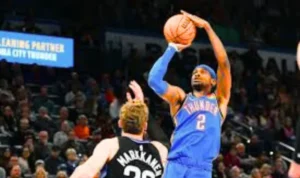
The second half proved to be the most exciting portion of the game. Early in the third quarter, the Thunder made a surge, fueled by effective three-point shooting and energetic defense. Josh Giddey and Luguentz Dort contributed key baskets, bringing the jazz vs thunder back into contention.
However, the jazz vs thunder countered with precise execution. Rudy Gobert dominated the paint, grabbing rebounds and protecting the rim, while Bojan Bogdanovic hit crucial jumpers to maintain a small lead. The game featured multiple lead changes, with both teams refusing to yield ground.
As the fourth quarter approached, fans witnessed a flurry of scoring runs. Every possession mattered, and both teams demonstrated resilience and strategic awareness. The final minutes were marked by high-pressure decision-making and clutch shooting, making it a game to remember.
Player Performance Highlights
Player performances often define the outcome of closely contested games. In this matchup, several athletes stood out:
- Donovan Mitchell (Jazz): 28 points, 6 assists, 4 rebounds; effective in isolation and pick-and-roll situations.
- Rudy Gobert (Jazz): 15 points, 14 rebounds, 3 blocks; anchored the Jazz defense and altered multiple Thunder shots.
- Bojan Bogdanovic (Jazz): 22 points, 5 rebounds; crucial perimeter shooting kept the Jazz ahead.
- Shai Gilgeous-Alexander (Thunder): 31 points, 7 assists; drove the Thunder offense and created opportunities for teammates.
- Josh Giddey (Thunder): 20 points, 11 rebounds, 6 assists; showed versatility in scoring and playmaking.
- Luguentz Dort (Thunder): 18 points, 4 steals; contributed significant defensive pressure and perimeter scoring.
The players’ combined efforts highlighted a well-rounded contest where both offense and defense were crucial.
Statistical Comparison – Key Game Metrics
To provide a clear view of team performances, here’s a fixed table comparing major statistics between the Jazz and Thunder:
| Stat Category | Jazz | Thunder |
| Points Scored | 112 | 110 |
| Field Goal % | 48.5% | 46.2% |
| 3-Point % | 37% | 35% |
| Rebounds | 52 | 49 |
| Assists | 27 | 25 |
| Turnovers | 12 | 14 |
| Steals | 8 | 7 |
| Blocks | 6 | 3 |
This table shows how evenly matched the teams were, with the Jazz slightly edging in efficiency and defensive metrics.
Tactical Analysis: Strategies and Execution
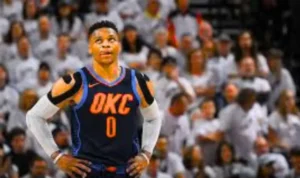
The Jazz employed a strategy based on structured half-court offense, focusing on ball movement and spacing. Utilizing the pick-and-roll effectively with Gobert as a rolling threat, they created open shots for shooters and minimized turnovers.
The Thunder, conversely, emphasized a faster pace. By pushing the ball in transition and exploiting mismatches, they generated high-quality shots early in the shot clock. Their defensive approach included aggressive on-ball pressure and rotation to contest Jazz shooters.
Both teams made adjustments throughout the game. The Thunder attempted to switch on pick-and-rolls to limit Gobert’s impact, while the Jazz rotated defenders to cover Gilgeous-Alexander’s drives. This chess-like tactical battle was evident in every possession.
Game Highlights and Key Moments
Several moments defined the Jazz vs Thunder matchup:
- Early Thunder Run: A 10-2 scoring burst in the first quarter brought the jazz vs thunder within one point, energizing their bench.
- Mitchell’s Clutch Three: Donovan Mitchell hit a deep three-pointer in the third quarter to break a tie, shifting momentum to the Jazz.
- Gobert’s Rim Protection: Multiple critical blocks in the fourth quarter prevented the jazz vs thunder from overtaking the lead.
- Gilgeous-Alexander’s Driving Layups: Despite heavy defensive attention, he repeatedly attacked the basket, keeping the Thunder in the game.
- Final Possession Drama: In the last 30 seconds, both teams had opportunities to take the lead, with key defensive stops sealing the result for the Jazz.
These highlights emphasize how both teams displayed resilience, athleticism, and tactical intelligence.
Impact on Standings and Team Outlook
The Jazz’s victory in this game provided a confidence boost and improved their position in the standings. Their ability to execute under pressure signals a team prepared for the playoff push.
For the jazz vs thunder, the close loss highlighted areas for improvement, such as closing out games and reducing turnovers. Nonetheless, the team demonstrated potential with young talent like Josh Giddey and Shai Gilgeous-Alexander leading the way.
This matchup also serves as a preview of possible playoff encounters, where execution, adjustments, and mental toughness will play pivotal roles.
Injury Updates and Roster Notes
Both teams had key players contributing despite minor injuries. The Jazz managed to rotate players effectively without losing defensive intensity. jazz vs thunder had limited bench contributions, putting extra pressure on starters in the final minutes.
Monitoring injury status and player load management will be essential for both teams as the season progresses, especially heading into a crucial stretch of games.
What This Game Means for Fans and Analysts
Fans witnessed a high-quality contest that provided entertainment and insights into team dynamics. Analysts noted:
- Jazz maintain strong defensive fundamentals and structured offense.
- Thunder’s fast-paced approach is effective but requires better execution under pressure.
- Close games highlight the importance of star players performing in clutch moments.
This game is a case study in modern NBA basketball, where tactical execution, individual talent, and resilience intersect.
FAQs
Q1: Who was the standout player in the Jazz vs Thunder game?
A.w: Donovan Mitchell for the Jazz and Shai Gilgeous-Alexander for the Thunder had the most impactful performances.
Q2: What was the final score?
A.w: Jazz 112, Thunder 110 in a tightly contested matchup.
Q3: How did the Jazz defend against Thunder’s fast breaks?
A.w: Gobert’s rim protection and disciplined rotations limited easy transition points.
Q4: Were there any major injuries during the game?
A.w: No major injuries occurred, though some players had minor strains managed by coaching staff.
Q5: Which team controlled the pace of the game?
A.w: The Thunder pushed for a faster pace, while the Jazz focused on structured half-court offense.
Q6: How did three-point shooting influence the outcome?
A.w: The Jazz’s slightly higher three-point efficiency contributed to their narrow victory.
Q7: What does this game indicate about playoff potential?
A.w: Both teams showed strengths and weaknesses; execution in close games will be crucial in playoff scenarios.
Conclusion
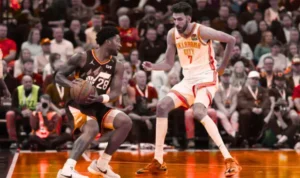
The Jazz vs Thunder matchup was a thrilling NBA contest, filled with strategic battles, standout performances, and key moments that defined the outcome. Both teams showcased talent, resilience, and tactical intelligence, providing fans with an unforgettable game.For the Jazz, the victory highlights their structured offense and defensive prowess. For the jazz vs thunder, the close loss offers lessons in execution under pressure and the importance of minimizing turnovers.
This full game analysis not only recaps the highlights but also provides a deeper understanding of team strategies, player performances, and the tactical chess match that makes basketball so captivating. Fans and analysts alike can appreciate the nuances that went into every possession and the excitement that only a matchup like Jazz vs Thunder can provide.