What is cybersecurity? The way we live, work, and connect. From online banking and shopping to social media and smart homes, technology is part of everything we do. But with this convenience comes a growing risk—cyber threats. Hackers, phishing scams, data breaches, and ransomware attacks are more common than ever.
This is where cybersecurity plays a critical role. Cybersecurity is the art and science of protecting systems, networks, and data from digital attacks. Just like you lock your doors to protect your home, cybersecurity safeguards your digital life. We’ll explore the basics, uses, and benefits of cybersecurity, and why it matters to everyone in today’s interconnected world.
Cybersecurity Basics – Building the Foundation
What is cybersecurity? may sound like a complex technical subject, but at its heart, it focuses on three main principles:
- Confidentiality – Keeping sensitive information private and accessible only to authorized people.
- Integrity – Ensuring that data is accurate, consistent, and not tampered with.
- Availability – Making sure systems and data are accessible whenever needed.
Together, these principles form the CIA triad, the foundation of cybersecurity. Achieving these goals requires tools like firewalls, antivirus programs, strong passwords, encryption, and secure coding practices.
Core Elements of Cybersecurity
| Cybersecurity Element | Meaning | Example Use | Benefit |
| Network Security | Protects systems & networks from attacks | Firewalls, VPNs | Prevents hacking & intrusions |
| Application Security | Secures apps from flaws | Secure coding, updates | Protects user data |
| Information Security | Safeguards sensitive data | Encryption, access control | Ensures privacy |
| Operational Security | Rules on data handling | Data access policies | Reduces insider risks |
| Disaster Recovery | Plans after attacks | Backup systems | Quick recovery & continuity |
This table highlights how cybersecurity is more than just antivirus software. It’s a structured system that protects every aspect of digital life—from applications and networks to sensitive information and recovery planning.
Why Cybersecurity Matters in Everyday Life
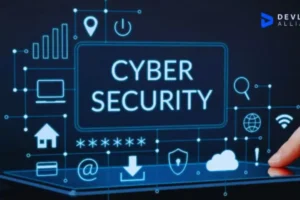
- Log in to your email or social media accounts.
- Transfer money online.
- Save photos and documents in the cloud.
- Make purchases using debit or credit cards.
Without cybersecurity, each of these activities would be at risk. Hackers could steal your personal data, drain your bank account, or misuse your identity. Strong passwords, two-factor authentication, and regular updates may seem simple, but they are powerful layers of defense.
A real-life example is the rise of phishing emails. Many people receive fake emails claiming to be from banks or online retailers. Without cybersecurity awareness, it’s easy to fall for these scams. Proper cybersecurity habits protect individuals from becoming victims.
The Many Uses of Cybersecurity
Business and Organizations
For businesses, data is everything. From customer details to financial records, a single breach can cause massive losses. What is cybersecurity? ensures companies can operate smoothly while complying with laws like GDPR or HIPAA. Strong cybersecurity also builds customer trust, which is vital for long-term success.
For example, companies like Apple and Google invest billions in cybersecurity to protect user data. If they didn’t, no one would feel safe using their products.
Education and Students
The rise of digital classrooms and e-learning platforms has made education more vulnerable to cyber threats. Cybersecurity keeps student records safe, protects online examinations, and ensures research data isn’t stolen. Schools also teach students about safe digital behavior, preparing them for a cyber-smart future.
Government and National Security
Governments face some of the most dangerous cyberattacks. State-sponsored hackers may attempt to steal secrets, disrupt defense systems, or manipulate infrastructure like power grids. What is cybersecurity? is essential for protecting national security and public trust.
A famous example is the Stuxnet worm, which targeted nuclear facilities—showing how powerful cyberattacks can be on global security.
Healthcare and Public Services
Hospitals and clinics store sensitive patient data that must remain confidential. With the rise of telemedicine, cybersecurity ensures private conversations between doctors and patients stay secure. It also prevents life-threatening disruptions in healthcare systems caused by ransomware attacks.
Benefits of Cybersecurity in Today’s World

- Protection from Cyberattacks: Prevents hacking, phishing, and malware infections.
- Financial Security: Stops fraud, scams, and unauthorized transactions.
- Trust and Confidence: Builds faith among customers, clients, and citizens.
- Business Continuity: Ensures organizations can keep running even after an attack.
- Support for Innovation: Enables the safe use of AI, IoT, and cloud technology.
In simple terms, cybersecurity ensures that technology can keep evolving without fear.
Types of Cybersecurity Threats You Should Know
To appreciate cybersecurity, we must understand what it protects us from:
- Malware: Software designed to damage systems or steal data (e.g., viruses, worms, trojans).
- Phishing: Fake messages that trick users into sharing personal details.
- Ransomware: Hackers lock files and demand money to unlock them.
- Insider Threats: Employees or insiders misusing data access.
- Denial of Service (DoS) Attacks: Overloading systems to make them crash.
- Advanced Persistent Threats (APTs): Sophisticated long-term attacks on high-value targets.
These threats show that cybersecurity is not optional—it’s essential.
Case Studies: Real-Life Impact of Cybersecurity
- WannaCry Ransomware (2017):
This global attack affected over 200,000 computers in 150 countries, shutting down hospitals and businesses. Organizations with strong backups and updated security recovered faster, showing the importance of preparation. - Target Data Breach (2013):
Hackers stole data from over 40 million customers. The attack cost Target millions in damages and damaged its reputation. Stronger cybersecurity policies could have reduced the impact. - SolarWinds Hack (2020):
A sophisticated attack on U.S. government and corporate systems highlighted the dangers of supply chain vulnerabilities. It reinforced the need for advanced threat monitoring.
How to Stay Safe: Cybersecurity Best Practices
Cybersecurity isn’t only for experts. Everyone can practice safe online habits:
- Use unique, strong passwords for each account.
- Enable two-factor authentication (2FA) wherever possible.
- Update software and apps regularly to fix security holes.
- Avoid suspicious links and attachments.
- Back up data to external drives or cloud storage.
- Use firewalls and antivirus tools for an extra layer of protection.
- Be cautious on public Wi-Fi by using VPNs for safer browsing.
Future of Cybersecurity – What Lies Ahead

- Artificial Intelligence (AI): AI will detect unusual patterns and stop attacks faster.
- Blockchain: Provides secure digital records for industries like finance and logistics.
- Quantum Computing: Could break current encryption, forcing new cybersecurity methods.
- IoT Security: Protecting smart homes, connected cars, and wearable devices will become critical.
- Cybersecurity Careers: Demand for cybersecurity professionals is skyrocketing, offering opportunities in ethical hacking, threat analysis, and digital forensics.
Final thoughts
What is cybersecurity? is not just about technology—it’s about trust, safety, and resilience in a digital-first world. Whether it’s individuals protecting their social media accounts, businesses securing customer data, or governments defending national interests, cybersecurity touches every part of our lives.
Its basics lie in confidentiality, integrity, and availability; its uses span from education to national defense, and its benefits protect our finances, data, and future innovations.
Cybersecurity is more than a technical field—it’s the shield of the modern world. By adopting good habits and embracing new security technologies, we can build a safer digital future for all.
FAQs on What is cybersecurity?
Q1. What is cybersecurity in simple words?
Ans: What is cybersecurity? means protecting computers, networks, and data from hackers, viruses, and online threats to keep information safe.
Q2. Why is cybersecurity important today?
Ans: With everything shifting online—from banking to healthcare—What is cybersecurity? prevents fraud, identity theft, and digital attacks.
Q3. What are the main types of cybersecurity?
Ans: They include network security, information security, application security, operational security, and disaster recovery.
Q4. How does cybersecurity help students?
Ans: It protects student accounts, keeps research safe, prevents online scams, and builds awareness of safe digital practices.
Q5. What are the benefits of cybersecurity for businesses?
Ans: Businesses gain data protection, legal compliance, customer trust, and reduced financial risks from cyberattacks.
Q6. What are examples of cyber threats?
Ans: Examples include malware, phishing, ransomware, insider threats, and denial-of-service attacks.
Q7. What is the future of cybersecurity?
Ans: The future will involve AI-driven defenses, blockchain protection, IoT security, and advanced careers in ethical hacking.